
Transforming Our Community: The Impact of TNR on Local Feline Populations

Cats have long been part of our neighborhoods, but managing their populations humanely has often been a challenge. Since May 2025, our rescue has successfully trapped, neutered, and returned (TNR) over 400 cats. This effort has brought significant changes to the local feline population and the overall environment. Understanding the importance of TNR helps explain why this approach is vital for both cats and people.
What Is TNR and Why It Matters
TNR stands for Trap-Neuter-Return. It involves safely capturing feral or stray cats, spaying or neutering them to prevent reproduction, and then returning them to their original location. This method controls the population without resorting to euthanasia or abandonment.
The importance of TNR lies in its ability to:
Reduce the number of unwanted kittens born in the community.
Improve the health of feral cats by preventing diseases linked to reproduction.
Decrease nuisance behaviors such as yowling, fighting, and marking territory.
Support a balanced ecosystem by stabilizing cat colonies.
By focusing on humane population control, TNR offers a sustainable solution that benefits cats, residents, and local wildlife.

How Our Community’s TNR Efforts Made a Difference
Since May 2025, over 400 cats have been TNR’d in our area. This achievement reflects the dedication of volunteers, local animal welfare groups, and concerned residents. The results have been clear and measurable.
Population Stabilization
Before the TNR program, the number of feral cats was growing rapidly, leading to overcrowded colonies. After neutering, the birth rate dropped significantly. Many colonies now show stable or even declining numbers, reducing the strain on local resources.
Health Improvements
Neutered cats tend to live healthier lives. The program has helped reduce the spread of diseases like feline leukemia and upper respiratory infections. Cats are less aggressive, which lowers the risk of injuries and infections from fights.
Community Relations
Residents report fewer complaints about cat-related noise and property damage. The calmer behavior of neutered cats has improved coexistence between people and feral cat colonies. This has also encouraged more community members to support or volunteer for TNR efforts.
Practical Steps for Successful TNR Programs
Implementing a TNR program requires planning, resources, and community involvement. Here are key steps that have made our program effective:
Organize volunteer teams trained in humane trapping and cat handling.
Partner with local veterinarians to provide affordable or donated spay/neuter surgeries.
Educate the community about the benefits of TNR and how to support it.
Monitor colonies regularly to identify new cats and ensure ongoing care.
Provide food and shelter to help cats thrive after release.
These actions create a cycle of care that maintains healthy cat populations and fosters community support.
Challenges and How We Overcame Them
No program is without obstacles. Our TNR initiative faced challenges such as:
Limited funding for surgeries and supplies.
Initial resistance from some residents unfamiliar with TNR.
Difficulties trapping wary cats in certain areas.
We addressed these by applying for grants, attending online webinars on trapping tips, and using humane traps designed for shy cats. Persistence and clear communication helped build trust and expand the program’s reach.
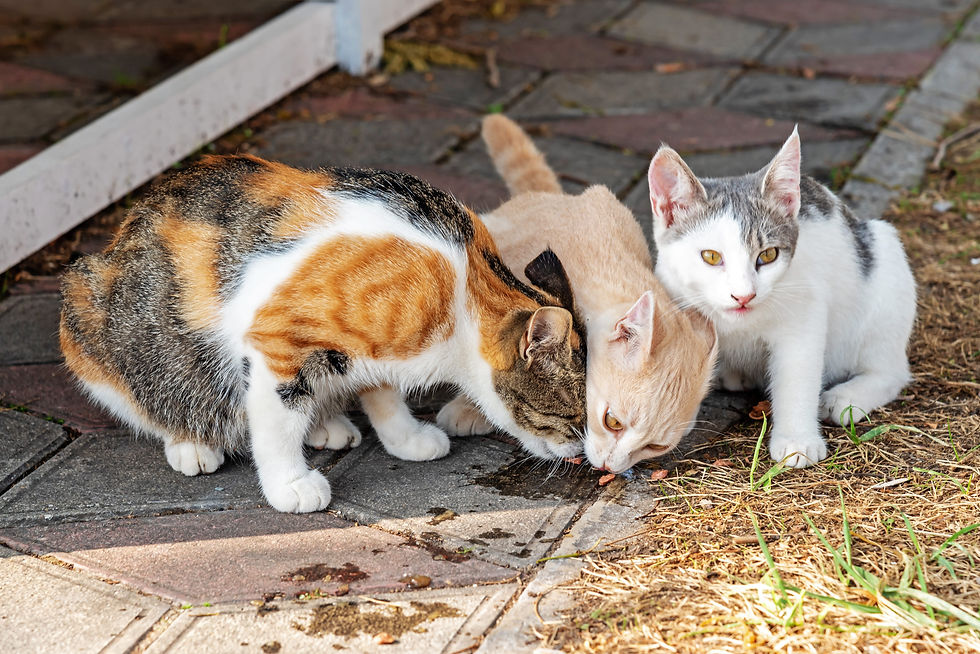
Why TNR Is a Community Effort
TNR works best when everyone plays a role. Residents can help by:
Reporting feral cat colonies to local groups.
Volunteering time or resources to support TNR activities.
Spaying or neutering their own pets to reduce the number of strays.
Together, these actions create a healthier environment for cats and people alike.
Looking Ahead: Sustaining the Impact
Our community’s success with TNR shows what is possible with commitment and care. To keep this progress going, ongoing efforts are essential:
Continue trapping and neutering new cats.
Maintain community education programs.
Expand partnerships with veterinarians and animal welfare organizations.
Track population changes to measure impact.
By staying engaged, we can ensure that the benefits of TNR last for years to come.


Comments